ICRA 2026 Workshop - Full Day
Notes and Bots: A workshop on Robotic Musicianship
Workshop Goal
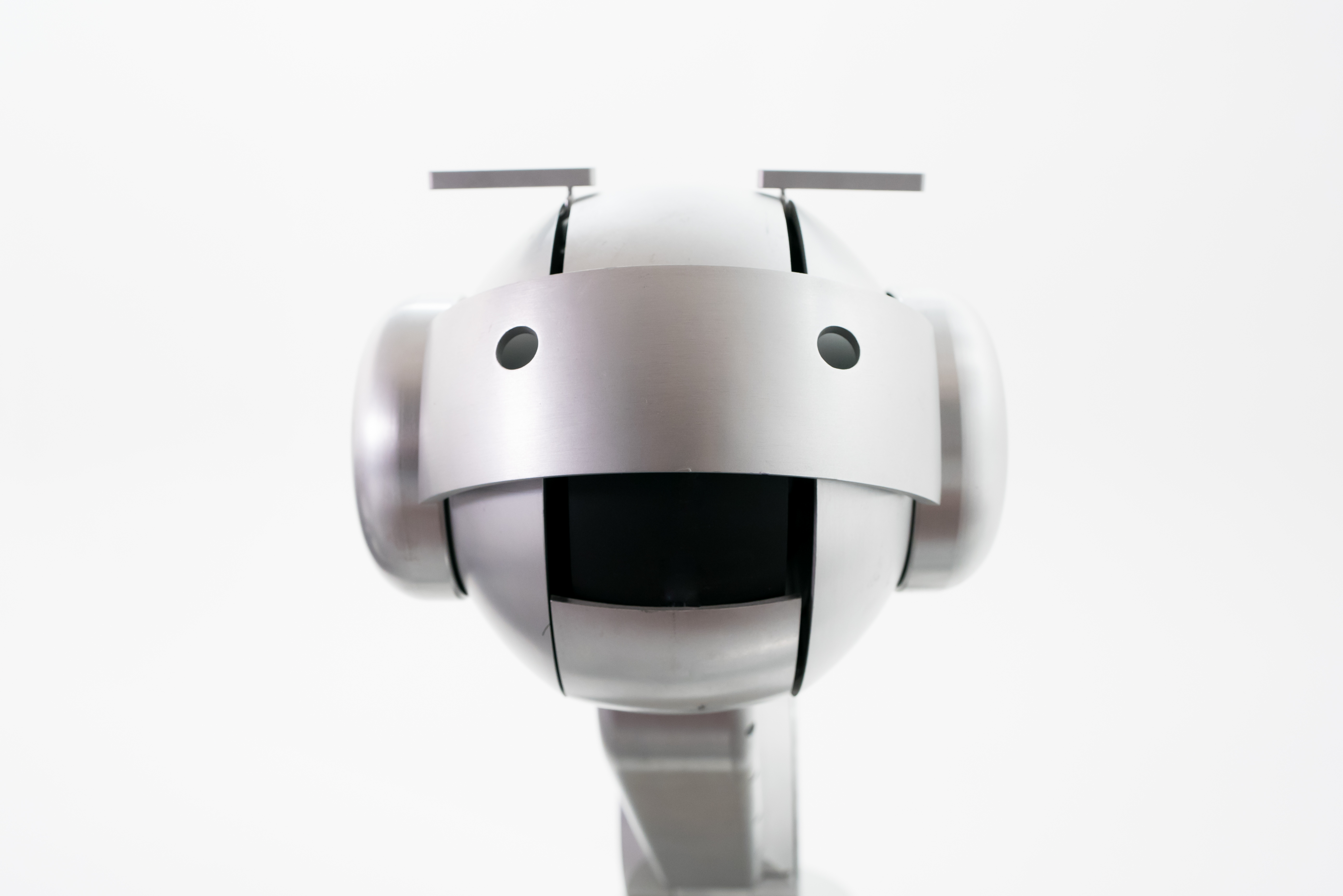
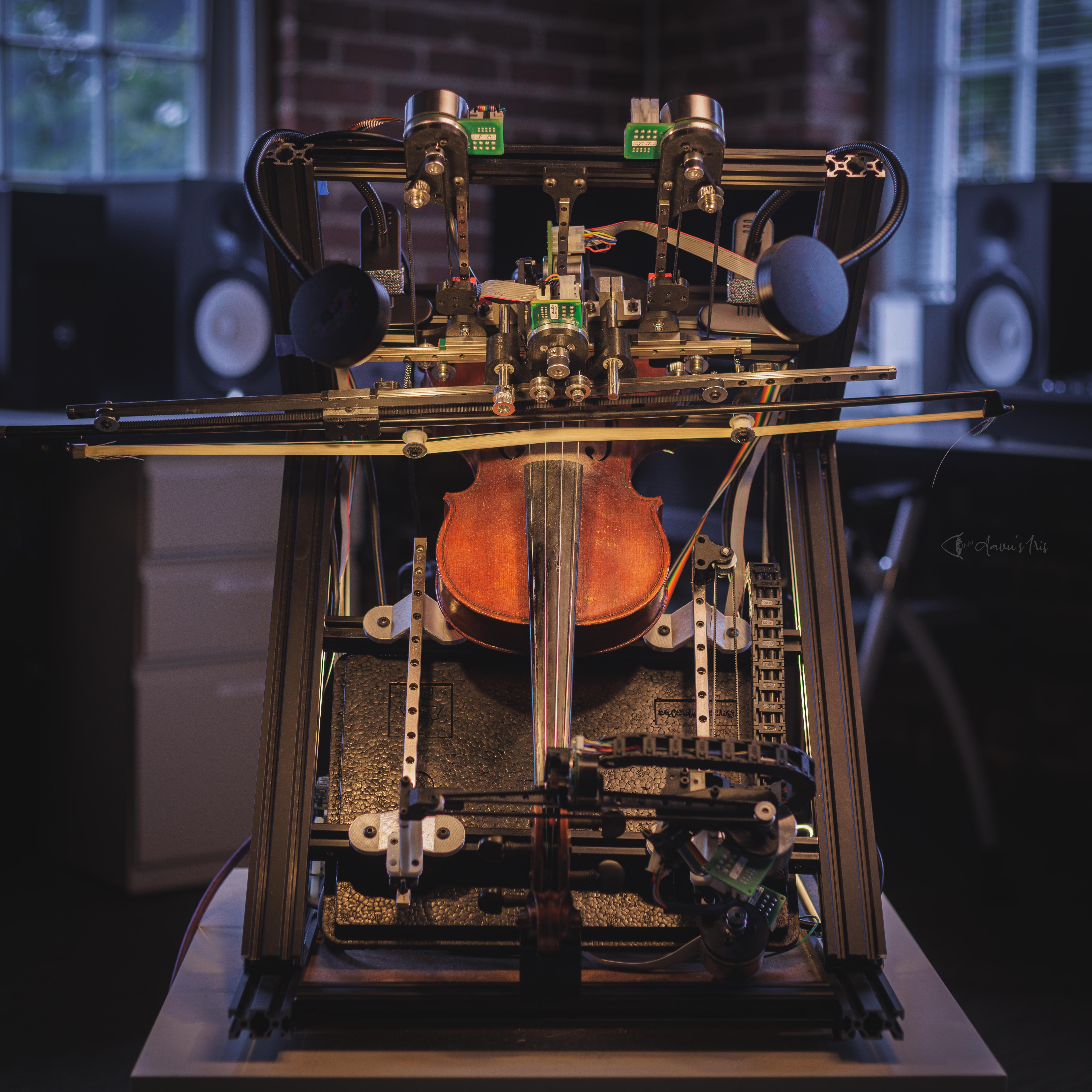
Robotic Musicianship is an interdisciplinary field that combines robotics, computer science, performance, music, and mechatronics. This full-day workshop introduces participants to Robotic Musicianship, where autonomous systems not only perform music but also enable rich human-robot interaction through musical collaboration—anchored by hands-on time with a portable robotic xylophone player (a new mini Shimon).
This workshop aims to provide a hands-on introduction to the field and its design practices, while also creating space for discussion and networking throughout the day about current work and future directions. We will bring the portable robotic xylophone player (mini Shimon) for live demonstrations, musical play, and participant interaction.
The workshop provides a structured combination of presentations, demonstrations, and interactive sessions. The day is designed to facilitate meaningful participant interaction and networking through live demos, open-ended discussion, and repeated opportunities to engage with our robotic xylophone musician.
The first session establishes the theoretical framework and technical foundations of robotic musicianship, grounded with short xylophone-robot demonstrations to connect concepts to concrete design choices. The keynote will cover the evolution of the field, key design principles for musical robots, and critical hardware considerations, including common pitfalls that separate expressive robotic musicians from purely mechanical music-playing devices.
Participants will also see diverse implementations to build practical intuition for actuator selection, real-time control, and multimodal interaction design—then relate those ideas back to the portable xylophone robot they can directly interact with.
The second session centers on hands-on demonstrations using the portable two-octave xylophone-playing robot (mini Shimon) developed specifically for this workshop. The system incorporates musical performance and gestural communication features, enabling embodied interaction between human and robotic musicians. Attendees will explore call-and-response, imitative behavior, and synchronized ensemble performance—followed by time to mingle and compare approaches with other attendees while interacting with the robot.
We will also highlight applications of RM including accessibility, installations, and multicultural approaches, examining how robotic musicianship principles adapt to diverse musical traditions—while continuously grounding discussion in what attendees observe and try with the robotic xylophone player.